Colorful Seashore Patterns
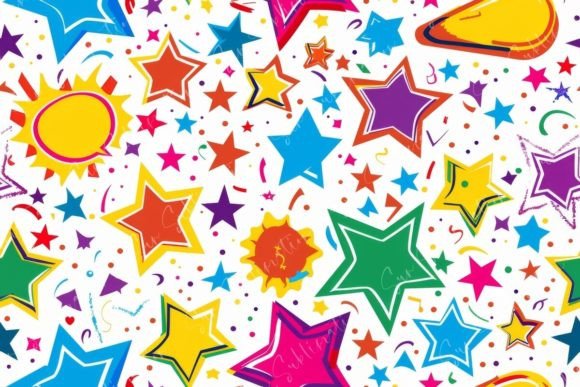
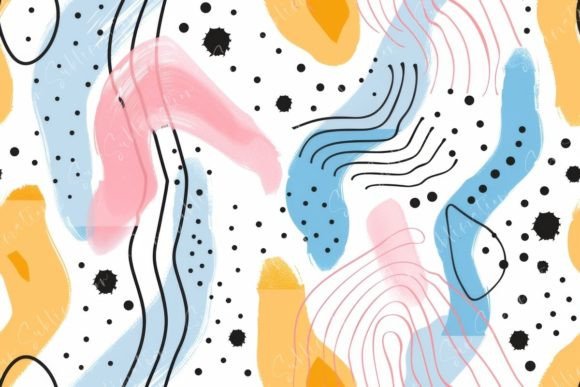
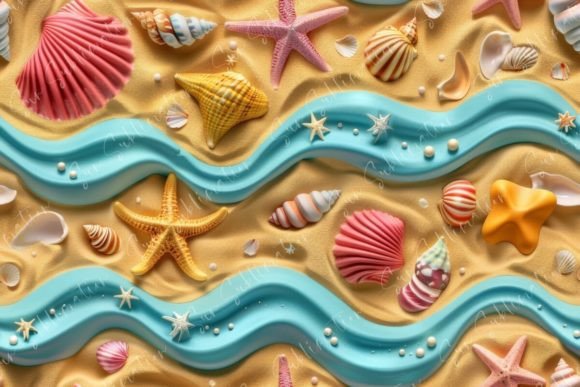
Imagine a vibrant, artistic depiction of a sandy beach where the gentle rhythm of the waves meets a palette of rich colors and intricate textures. Colorful Seashore Patterns and Textures bring this serene yet lively scene to life, offering designers a unique visual asset that blends natural beauty with creative versatility. These patterns are more than just decorative—they serve as powerful tools for visual storytelling, brand expression, and user engagement in modern graphic design.
With its vivid seashells, starfish, and wavy blue patterns, this design element is ideal for creating eye-catching visuals that evoke a sense of relaxation, adventure, and creativity. Whether you're working on branding materials, marketing campaigns, or digital content, the right pattern can elevate your work from ordinary to extraordinary. The high-resolution format (4500 x 3000 pixels at 300 dpi) ensures crisp details, while the JPEG format without a watermark guarantees professional quality for both print and digital use.
Applications in Graphic Design
Colorful Seashore Patterns and Textures can be seamlessly integrated into a wide range of design projects. Here are some practical applications:
- Branding and Logo Design: Use these patterns to add a unique touch to logos, especially for businesses related to travel, wellness, or coastal lifestyles.
- Social Media Graphics: Incorporate them into Instagram posts, Facebook covers, or Pinterest pins to create visually appealing content that stands out in crowded feeds.
- Website and UI/UX Design: Apply these textures to backgrounds, buttons, or headers to enhance the aesthetic appeal of websites and mobile apps.
- Packaging Design: Use them to craft memorable product packaging that captures attention and communicates a sense of quality and care.
- Editorial Layouts: Add depth and interest to magazine spreads, blog posts, or digital publications with these dynamic textures.
Design Considerations and Tips
When selecting and using Colorful Seashore Patterns and Textures, it's essential to consider how they align with your overall design goals. A well-chosen texture should complement your color palette, typography, and composition rather than overpowering them. Here are some tips to help you make the most of these assets:
1. Maintain Consistency: Ensure that the pattern works harmoniously with other design elements, such as fonts and images. Avoid clashing colors or overly busy designs that may confuse the viewer.
2. Prioritize Readability: If the pattern is used as a background, ensure that text remains legible. Opt for subtle variations or adjust opacity if necessary.
3. Scale Appropriately: Test the pattern at different sizes to ensure it looks good whether it’s used in a small icon or a large banner.
4. Align with Brand Identity: Choose textures that reflect your brand’s personality and values. For example, a calm and sophisticated brand might prefer softer tones, while a playful brand could embrace bolder, more vibrant colors.
5. Stay Updated with Trends: Keep an eye on current design trends to ensure your use of these patterns remains fresh and relevant. Tools like Adobe Color or Coolors can help you explore complementary color palettes.
Enhancing User Experience with Visual Elements
The way users interact with your design depends heavily on visual elements like color, texture, and composition. Colorful Seashore Patterns and Textures can guide the viewer’s eye, create visual hierarchy, and evoke emotional responses. By thoughtfully integrating these patterns into your design workflow, you can improve not only the aesthetics but also the usability and effectiveness of your creative projects.
Whether you’re designing for print or digital platforms, investing in high-quality creative assets like Colorful Seashore Patterns and Textures can significantly impact your work’s professionalism and memorability. As you explore new ways to apply these textures, remember that thoughtful design choices lead to stronger communication, better user experiences, and more impactful visual storytelling.